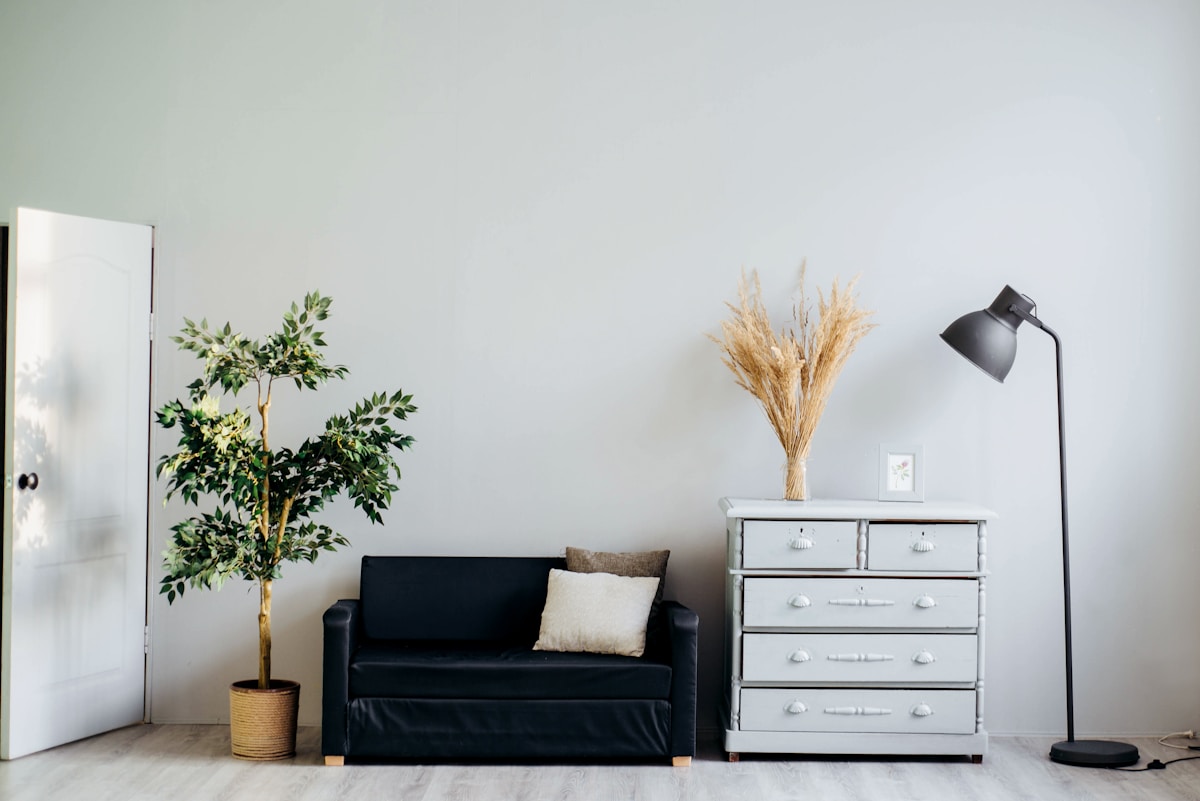
I made the second cup just after seven, when the sky outside my Margaret Drive window had gone from bright to that particular Queenstown grey-violet that makes the HDB blocks look closer together than they are. The first cup — kopi from the tin I keep for mornings — was already finished and washed. The second cup is weaker, more habit than caffeine, and it belongs on the ledge where the glass meets the frame and the evening air slips through the gap I never quite seal.
This is the part of the day I protect without calling it a ritual aloud, though writing it here makes it one. I work from the flat most days, which means the boundary between labour and living is mostly a chair change and a lamp switch. The ledge is where I remind myself that I am a person who notices things, not only a person who answers messages. Story Crest exists because of that distinction. A personal blog is a place to keep small crests — late light on paper, the pause after rain, the second cup going cold while you stare at a line that will not finish itself tonight.
I set the mug on the saucer I brought back from a Commonwealth kopitiam years ago — plain white, slightly chipped — and opened the notebook to a page I had started at lunch and abandoned mid-sentence. The page did not mind. Notebooks are patient in a way screens are not. I wrote one new line about the laundry line tapping the corridor rail outside, then listened to the tapping instead of forcing the paragraph. Sometimes writing is listening with a pen in your hand.
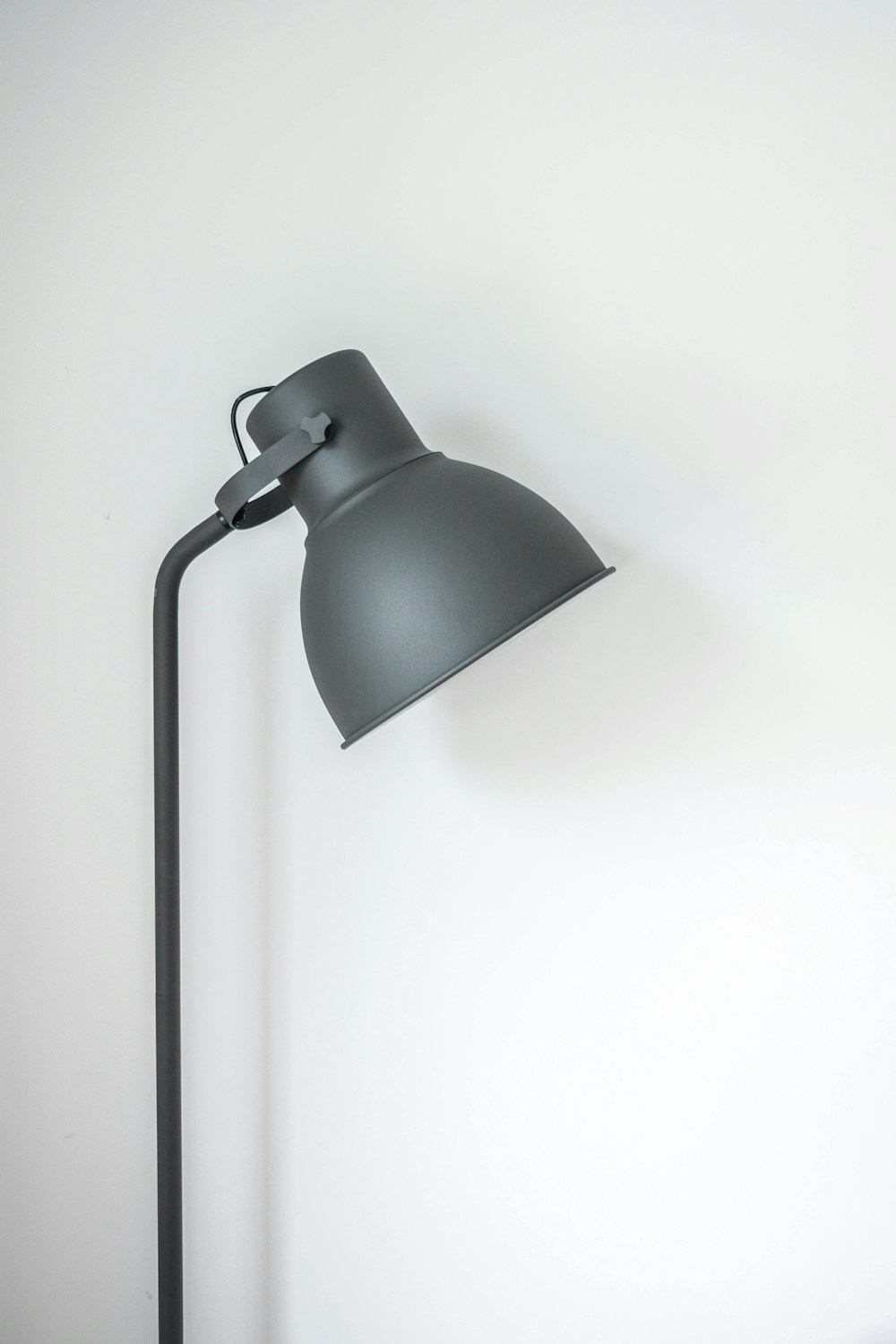
I switched on the small lamp beside the window because the room behind me was dim and I wanted the ledge lit without flooding the whole flat. The warm circle on the notebook felt like a desk in the air, suspended above the estate. From that height I could see into three kitchen windows and one corridor where someone had hung shirts in a row that moved slightly when the wind found them. Domestic life, stacked vertically — the ordinary Singapore view that is easy to ignore until you stand still long enough to treat it as material.
The second cup steamed, then stopped steaming. I picked it up and put it down again without drinking, the way I often do when the cup is really an excuse to stand in the window during reading hours. Mostly evenings, SGT — that line in the footer is not marketing. It is accurate. I read and write when the city quiets and the MRT announcements are muffled by distance and glass. July evenings arrive early now, and the lamp on the ledge becomes the brightest thing in my line of sight until the block's corridor lights come on in their staggered pattern.
Below, a bus passed on Margaret Drive with its soft roar and the brief illumination of passengers inside looking tired in the democratic way public transport makes everyone look tired. A child shouted once in the void deck and was answered by an adult whose words I could not make out. The laundry line tapped the rail — tap, pause, tap — irregular enough to keep my attention without becoming annoying. I thought about adding it to the page and decided the sound was better left as something the reader imagines, though I am describing it anyway because that is the contradiction of this blog: nothing is too small until you try to fix it in words.
I did not finish the paragraph. I rarely finish during the second cup. The notebook will stay open on the table overnight, which my older self would have called untidy and my current self calls continuity. Tomorrow morning the first cup will return me to practical tasks — email, groceries, the walk to the market — and the ledge will wait until evening again. That rhythm suits me. Not a productivity system, just a line on a page and a mug and a window facing the ridge where Queenstown settles into night.
When I finally drank, the coffee was lukewarm and slightly bitter at the bottom, which was exactly right. I closed the notebook without checking the last sentence for sense. Some pages are drafts of feelings rather than arguments. I turned off the lamp, left the window open a finger-width for the tapping laundry line, and let the flat grow quiet around me. The second cup on the ledge is a small crest — brief, repeatable, mine — and I wrote it down so I would remember that evenings here are not empty simply because nothing dramatic happened. Something always happens if you stand in the window long enough to see it.